
Services
Product Design
A manufacturable product starts with design
Whether your product needs electrical, mechanical, firmware design or any combination, our integrated approach ensures all stakeholder input is considered. By incorporating product design with supply chain and manufacturing requirements, your product is optimized for commercialization.
We work with you to capture the product’s requirements from functionality to the operational environment to product cost and more. The requirements guide our design process to prioritize what is most important to you while ensuring the product can be manufactured.
With a proven track record in designing hardware products, we understand the nuances and challenges of taking an idea from concept to stable production.
How ready is your product for manufacturing?
Concept
Solve a problem in a novel way
Patent
Protect the idea
Proof of Concept
Confirm the theory in design
Alpha
The final product brought to life
Beta
Product testing and certification
Pilot
Initial manufacturing
Production
Build inventory to support sales
Design Services

Mechanical
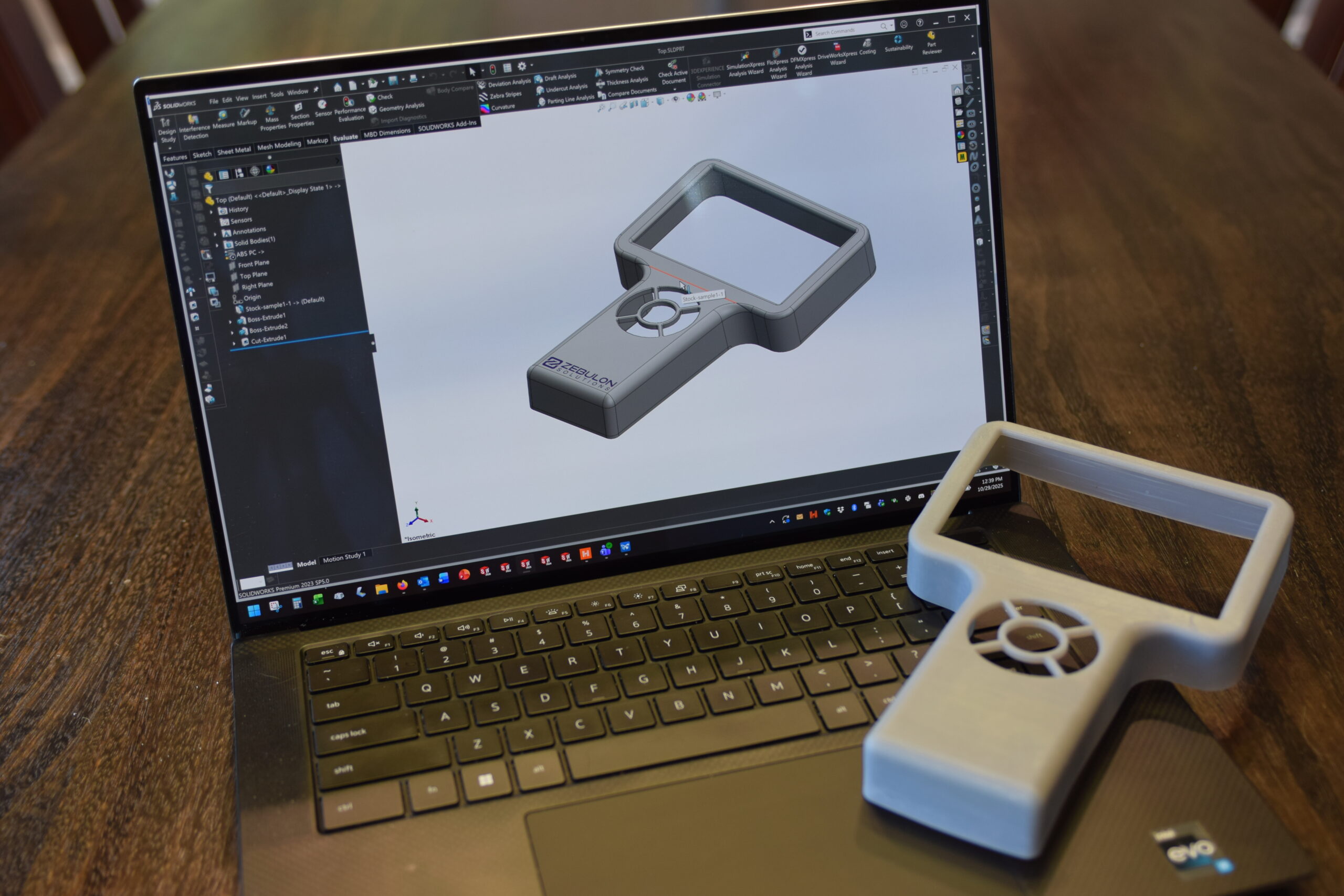
We create sketches of your idea, transform them into 3D CAD, and detailed drawings ready for manufacturing.
Electrical
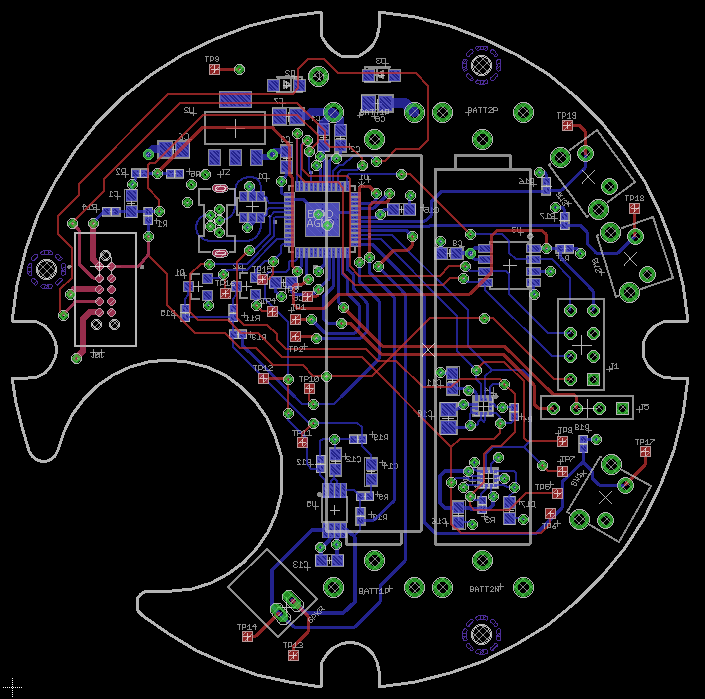
From schematic creation to board layout, our team will design your electronics for optimal function.
Firmware
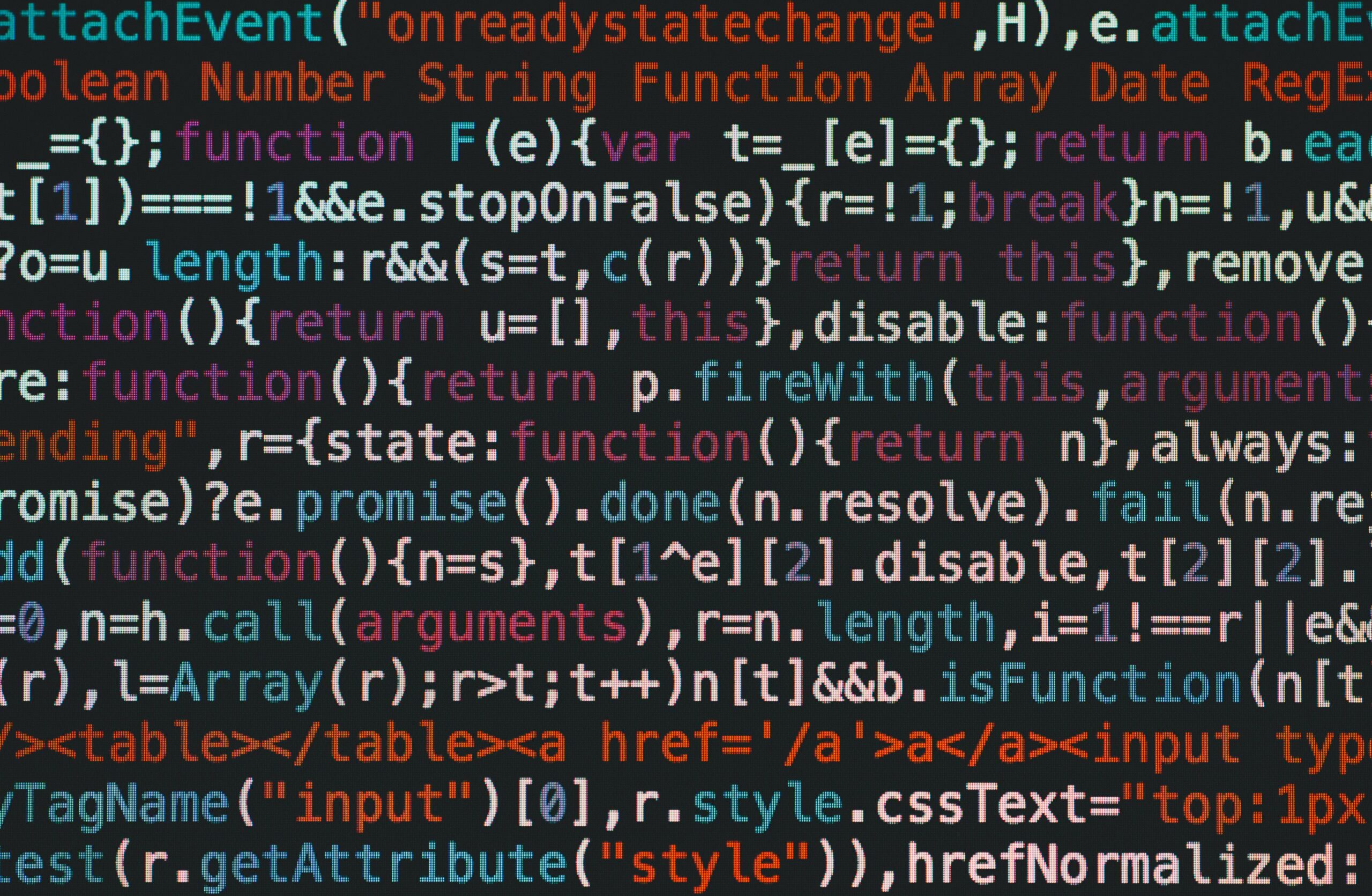
Whether starting with architecture or third-party libraries we integrate software and hardware designs.
The formula for success
Innovation. Experience. Integrity.
We aim for a manufactured product, not a robust prototype.
Concept
From sketching ideas to devloping a proof of concept, we turn your idea into a tangible product while keeping product cost and manufacturability in mind.
Design
From CAD models to detailed assembly drawings, we bring your ideas to life and make them ready for production.
Verification
From start to finish, we verify your design against requirements to ensure a success product and prevent surprises for the end user.
Customer Projects

Solar Suitcase
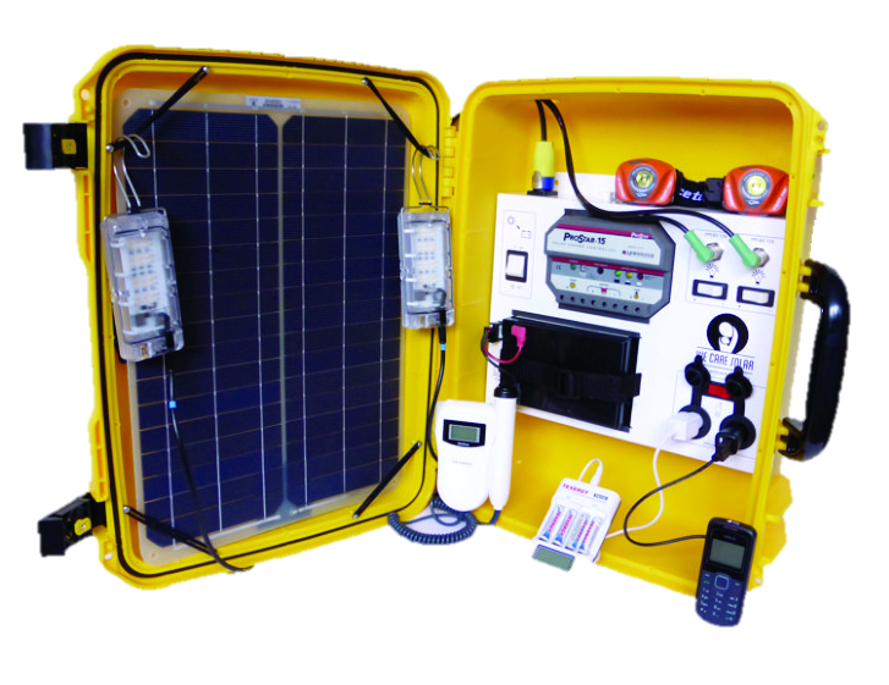
This initiative brings reliable light to maternity wards in the world's most remote and underserved communities. Zebulon Solutions helped this non-profit design the product and find a robust and portable case to support midwives where electricity is a luxury.
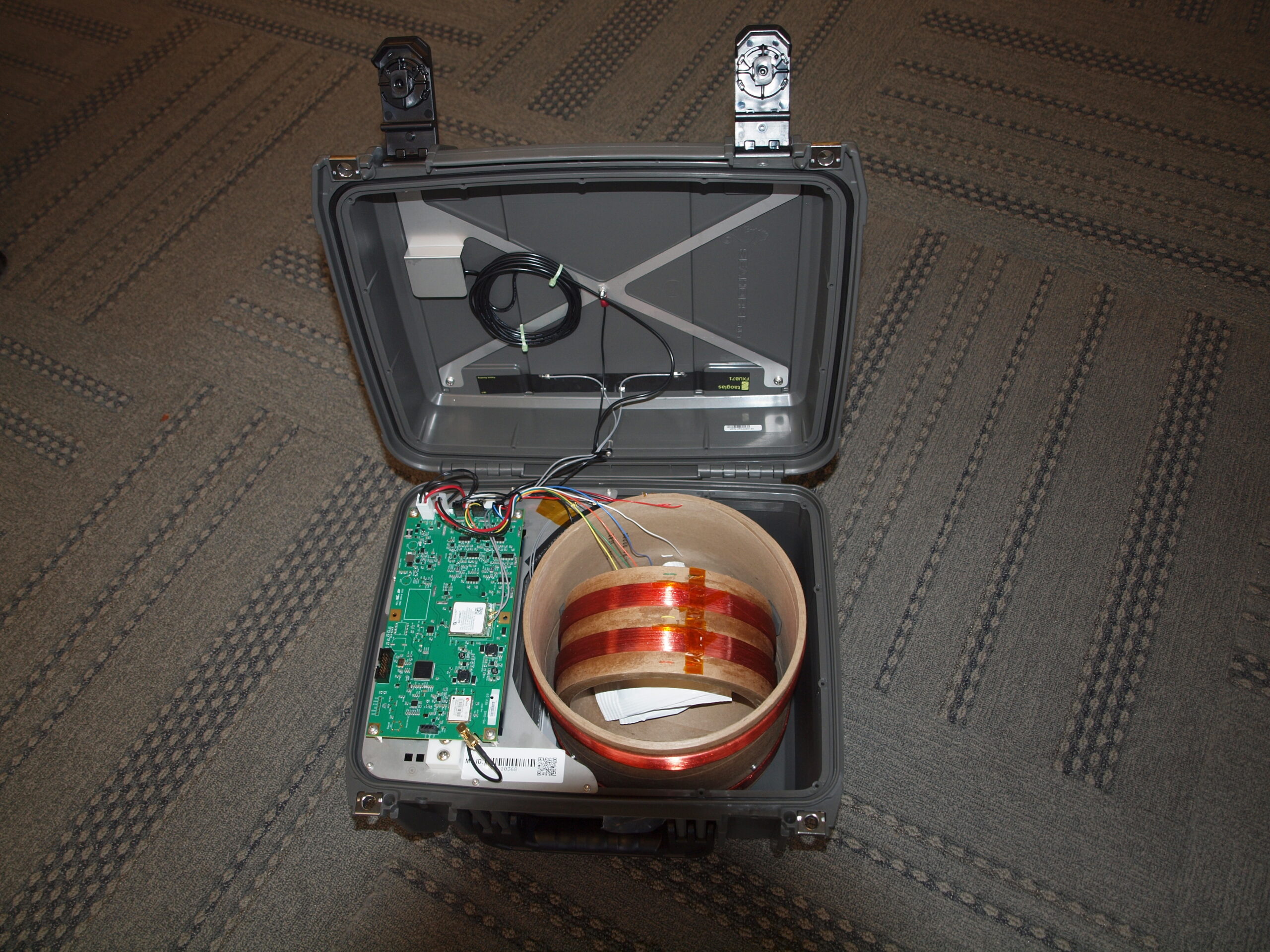
Yes! Energy
Supporting a resilient and reliable power grid depends on the critical data gained from tracking power useage fluctuations in real time. Zebulon Solutions transformed a proof-of-concept into a robust product while reducing the product cost by 60%.
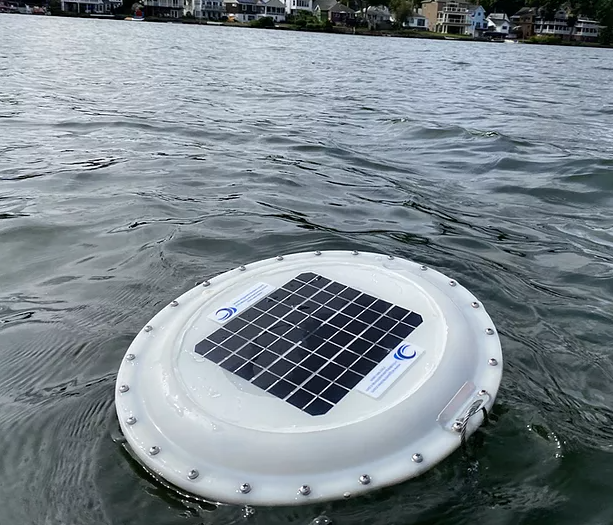
Aqua Real Time
Protecting and sustaining a healthy lake ecosystem is supported by measuring and tracking algae in our lakes. Zebulon Solutions found solutions to some challenging requirements in this product to help them successfully launch their algae monitors.
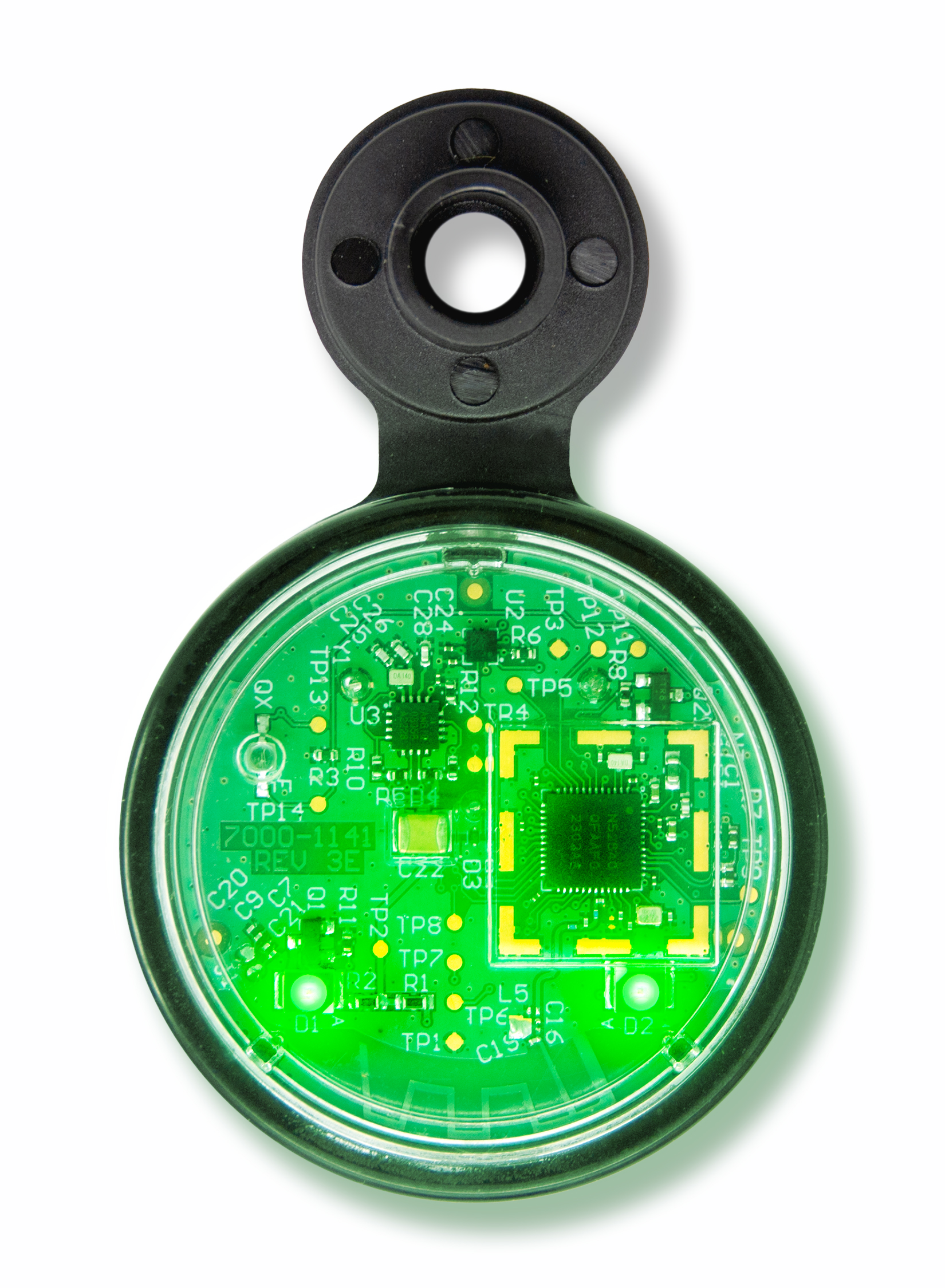
HerdDogg
Tracking the location of cattle on a ranch or identifying a specific cow in the herd is paramount to the ranching industry. Zebulon Solutions designed multiple generations of this product as the requirements evolved based upon end-user feedback.
Independent Design Assessment
An Independent Design Assessment (IDA) offers an objective review of a product's design, functionality, and materials by experts outside the development team. It will help identify potential issues early. Click the image above to view a sample IDA.
What sets Zebulon apart is not only their deep technical expertise in PCB design, but also their ability to quickly understand the real-world requirements of the product and the application. They approached the redesign with a strong grasp of both engineering performance and manufacturability.
We would confidently recommend them to any company needing high-quality engineering and reliable execution.

FAQ
What are the stages of hardware product development?
While the phases may have different names, the general stages are:
- Concept
- Design
- Test
- Analyze
Redesign & repeat until the requirements are met and the product is manufacturable.
At Zebulon Solutions, we call these phases:
- Concept
- Proof of concept
- MVP
- Alpha & Beta revisions
- Pilot build
- Production release
How do I know if my product design is ready for manufacturing?
A design is manufacturing-ready when:
- Every custom part is designed for production fabrication processes
- Each part in the bill of materials has a known and qualified supplier
- The design looks and functions per the requirements
If any of those three are missing, it’s worth a design assessment before committing to tooling or a production order.
What's the difference between a prototype and a production-ready design?
A prototype proves the concept works; a production-ready design can be built the same way, reliably, at an acceptable cost. The gap between the two is exactly where DFM and NPI work happens.
When working with Zebulon Solutions, who owns the Intellectual Property on design?
Short answer – you.
Longer answer – it is your idea and vision for the product. We bring it to life. Once all invoices are paid, you receive all the final design files and only your name will be on the patent if you choose to file.
What is New Product Introduction (NPI)?
New Product Introduction (NPI) moves a product from finalized design into its initial production through pilot builds. Test station development manufacturing documentation, and production validation are also completed during this phase. A strong NPI process helps ensure a product succeeds in manufacturing.
What is Design for Manufacturability (DFM)?
Design for manufacturability (DFM) is the practice of engineering a product so it can be produced:
- Reliably using production processes and workforce
- At the right cost
- At the volume you need
This is a different focus than designing purely for function of a single or handful of units. It typically considers:
- Production fabrication processes
- Tolerances
- Material choice
- Part count
- Assembly complexity
Why is DFM important in hardware design?
Without DFM, a working prototype can be costly, unreliable, or difficult to manufacture at any scale. Addressing these issues during design saves time, cost, and production delays later.
What are common features of a hardware product that isn’t ready for manufacturing?
Common features include:
- Overly tight tolerances that are expensive to hold at volume
- Designs that cannot be fabricated using production processes: a common example is 3D printed plastic parts cannot be injection molded
- Complex designs
- Components with poor availability, obsolete, or long lead times
- Assemblies that require complex manual steps that don’t scale
Catching these at a design review is far cheaper than discovering them during initial production.
What is an Independent Design Assessment (IDA)?
An Independent Design Assessment is a third-party review of a design that identifies manufacturability, reliability, or cost issues before production. This helps to optimize the design and reduce risk. This is an example of an IDA.
What are requirements and how are they documented?
Product requirements are the design guide for the product. They should cover every aspect of the product including (this is not an exhaustive list):
- Primary function
- User experience and appearance
- Environmental conditions, both storage and operating
- Power sources and/or outputs
- Data inputs/ outputs
- Communication methods
- Control methodology
- Reliability
- Manufacturing processes and location
- Regulatory and/or certifications
At Zebulon Solutions, we categorize each item into:
- What must the product do?
- What do you want the product to do?
- What features would be nice-to-have?
- What is going to be pushed to a future generation product or SKU?
There is no specific format, but it is common to document these in a Word document or a spreadsheet. We find the latter to be easier to review.
Can designs be transferred to a different design team once it has already been started?
Yes. The receiving team will need all of the design files and may want to start with\ an Independent Design Assessment to evaluate what exists before deciding what needs to change or be further developed.
At Zebulon Solutions, we also spend time capturing requirements, so we have agreement on the goals for the product.
